Introduction
Formal education plays a critical role in shaping modern society by equipping individuals with knowledge, skills, values, and critical thinking abilities necessary for personal growth and societal development. From early childhood education to higher learning institutions, structured education systems influence economic progress, social equality, technological advancement, and cultural continuity. In an increasingly globalized and knowledge-driven world, the importance of formal education has never been greater.
This article explores the role of formal education in shaping modern society, highlighting its impact on economic development, social structure, innovation, citizenship, and global competitiveness.
What Is Formal Education?
Formal education refers to a structured system of learning delivered through recognized institutions such as schools, colleges, and universities. It follows a standardized curriculum, is guided by trained educators, and often leads to certifications or degrees. Unlike informal or non-formal education, formal education is systematic, regulated, and designed to meet societal and professional standards.
The Importance of Formal Education in Modern Society
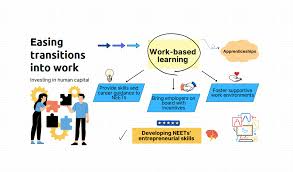
1. Economic Growth and Workforce Development
One of the most significant roles of formal education is its contribution to economic development. Educated individuals are more likely to secure stable employment, earn higher incomes, and contribute productively to the economy.
Formal education:
- Develops job-ready skills and professional expertise
- Increases productivity and innovation
- Reduces unemployment and poverty rates
- Supports entrepreneurship and business growth
A well-educated workforce attracts investment, strengthens industries, and enhances national competitiveness in the global market.
2. Social Equality and Mobility
Formal education serves as a powerful tool for promoting social equality. By providing equal learning opportunities, education helps bridge gaps caused by income inequality, gender discrimination, and social class divisions.
Key social benefits include:
- Increased access to opportunities regardless of background
- Empowerment of marginalized communities
- Reduction in social injustice and inequality
- Promotion of gender equality and inclusion
Education enables individuals to improve their social standing and break cycles of poverty, making societies more balanced and fair.
3. Development of Critical Thinking and Problem-Solving Skills
Modern societies face complex challenges such as climate change, technological disruption, and global health crises. Formal education fosters analytical thinking, creativity, and problem-solving skills essential for addressing these issues.
Through structured learning, students develop:
- Logical reasoning and decision-making abilities
- Research and analytical skills
- Adaptability to change
- Lifelong learning habits
These competencies are vital for both personal success and collective progress.
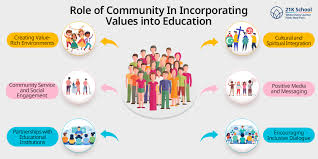
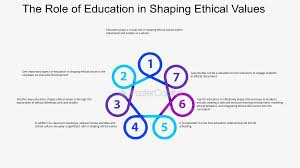
4. Cultural Preservation and Social Values
Formal education plays a vital role in preserving cultural heritage and transmitting societal values. History, literature, ethics, and social studies help individuals understand their identity and respect diversity.
Education promotes:
- Cultural awareness and tolerance
- Moral and ethical development
- Respect for laws and institutions
- Social responsibility and empathy
By instilling shared values, formal education strengthens social cohesion and mutual understanding in diverse societies.
5. Citizenship and Democratic Participation
An informed and educated population is essential for a functioning democracy. Formal education prepares individuals to participate actively and responsibly in civic life.
Educated citizens are more likely to:
- Understand their rights and responsibilities
- Engage in informed political discussions
- Vote and participate in governance
- Support transparency and accountability
Through civic education, societies nurture responsible citizens who contribute to political stability and good governance.
6. Technological Advancement and Innovation
Formal education is a driving force behind scientific discovery and technological innovation. Universities and research institutions serve as hubs for new ideas, inventions, and advancements.
Education supports innovation by:
- Training scientists, engineers, and researchers
- Encouraging experimentation and creativity
- Advancing digital literacy and STEM education
- Supporting research and development initiatives
Modern technology-driven societies rely heavily on educated professionals to sustain innovation and economic growth.
7. Globalization and International Competitiveness
In a globalized world, formal education equips individuals with the skills needed to compete internationally. Language proficiency, cross-cultural understanding, and global awareness are increasingly important.
Formal education enhances:
- Global communication and collaboration
- International career opportunities
- Cultural exchange and diplomacy
- National reputation and soft power
Countries with strong education systems are better positioned to thrive in the global knowledge economy.
Challenges Facing Formal Education Today
Despite its importance, formal education faces several challenges in modern society, including:
- Inequality in access to quality education
- Outdated curricula that lag behind technological change
- Rising education costs and student debt
- Lack of emphasis on practical and life skills
Addressing these challenges requires policy reform, investment in infrastructure, teacher training, and integration of technology in education systems.
The Future of Formal Education
The future of formal education lies in adaptability and innovation. Blended learning, digital classrooms, personalized education, and lifelong learning models are reshaping traditional systems.
Key trends include:
- Integration of technology and artificial intelligence
- Focus on skill-based and competency-based learning
- Emphasis on creativity, emotional intelligence, and ethics
- Stronger links between education and industry
By evolving with societal needs, formal education will continue to play a central role in shaping the future.
Conclusion
Formal education is a cornerstone of modern society. It drives economic growth, promotes social equality, fosters innovation, preserves cultural values, and strengthens democratic systems. As societies continue to evolve, the role of formal education becomes even more critical in preparing individuals to navigate complexity, contribute meaningfully, and build a sustainable future.
Investing in quality education is not just a personal benefit—it is a societal necessity. A strong formal education system is the foundation upon which modern, progressive, and resilient societies are built.
If you want, I can also:
- Optimize this article for Google ranking (Yoast / RankMath)
- Add meta title, meta description, and keywords
- Rewrite it for students, blogs, or academic submission
- Adjust word count or tone (simple, academic, persuasive)
Just tell me 😊

Related Posts