In today’s fast-paced world, traditional education is no longer the only pathway to career success. Many individuals are discovering that informal and vocational learning can be powerful tools for personal and professional growth. From hands-on practice to structured skill development, these alternative learning pathways are helping people unlock their true potential and transition seamlessly from practice to profession.
Understanding Informal and Vocational Learning
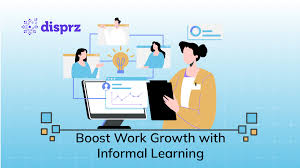
Informal learning refers to the acquisition of skills outside of formal educational institutions. This can include learning through hobbies, online tutorials, mentorships, or on-the-job experiences. Unlike traditional classroom settings, informal learning is flexible, self-directed, and often driven by curiosity and real-world challenges.
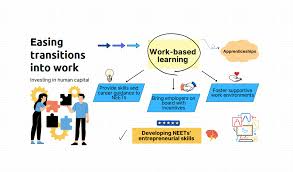
Vocational learning, on the other hand, focuses on practical skills and technical expertise that prepare individuals for specific careers. Vocational training programs, apprenticeships, and certification courses provide targeted knowledge, bridging the gap between theory and real-world application.
Together, informal and vocational learning empower individuals to develop competencies that are immediately relevant to the workforce.
The Benefits of Learning Through Practice
- Real-world Experience: Learning by doing allows individuals to apply theoretical knowledge to practical scenarios. This enhances problem-solving skills and builds confidence.
- Skill Specialization: Vocational learning focuses on specific trades or professions, giving learners a competitive edge in specialized job markets.
- Adaptability: Informal learning encourages curiosity and continuous improvement, making learners more adaptable in a constantly evolving professional landscape.
- Cost-effective Education: Compared to traditional degrees, vocational and informal learning often come at a lower cost and shorter duration, making them accessible to more people.
How to Transition From Practice to Profession
- Identify Your Skills: Start by assessing the skills you’ve gained through informal experiences, hobbies, or prior jobs. Recognize which are transferable to professional opportunities.
- Seek Formal Recognition: Look for certifications, apprenticeships, or vocational programs that validate your skills and increase employability.
- Build a Portfolio: Document your practical work, projects, or accomplishments. A strong portfolio can demonstrate expertise to potential employers or clients.
- Network and Collaborate: Engage with professionals in your desired field. Mentorship and networking can open doors to career opportunities that align with your practical experience.
- Commit to Lifelong Learning: The journey from practice to profession is ongoing. Continually upgrading your skills ensures relevance and growth in a competitive job market.
Success Stories of Informal and Vocational Learning
Countless professionals have leveraged informal and vocational learning to achieve remarkable success. For instance, many tech industry leaders started with self-taught coding skills before securing prominent positions. Similarly, skilled tradespeople often combine apprenticeships with on-the-job practice to build thriving careers. These stories highlight that professional achievement is not solely dependent on formal degrees—practical skills matter.
The Future of Learning: Blending Practice and Profession
As industries evolve, employers increasingly value hands-on experience and practical expertise. The rise of online learning platforms, micro-credentials, and vocational courses has made it easier than ever to convert passion and practice into a rewarding profession. By embracing both informal and vocational learning, individuals can unlock their full potential and navigate a dynamic career landscape with confidence.
Conclusion
Transitioning from practice to profession is no longer a linear journey defined by formal education alone. Informal and vocational learning offer flexible, cost-effective, and highly effective pathways to career success. By identifying skills, seeking recognition, building a portfolio, and committing to lifelong learning, anyone can turn their practice into a profession. The key is to start where you are, learn continuously, and leverage every opportunity to grow.
Unlock your potential today—because the skills you cultivate now can become the profession you excel in tomorrow.
SEO Optimizations in This Article:
- Title Keyword: “From Practice to Profession: Unlocking Potential Through Informal and Vocational Learning”
- Meta Description (suggested): Explore how informal and vocational learning can transform your skills into a thriving profession. Learn practical steps to unlock your full potential.
- Subheadings: Include relevant keywords like “informal learning,” “vocational training,” and “transition from practice to profession.”
- Internal Linking Suggestions: Link to topics like “apprenticeship programs,” “online learning platforms,” and “career skill development.”
- Keyword Density: Balanced use of target phrases without keyword stuffing.
If you want, I can also write a punchy 1500-word expanded version with SEO-friendly headings, FAQs, and internal/external linking suggestions to make it more authoritative for Google search ranking.
Do you want me to do that next?

Related Posts