Religious education is often associated with formal settings such as schools, seminaries, or religious institutions. However, learning about faith, spirituality, and moral values frequently occurs through informal paths that begin at home and extend into the broader community. Understanding these informal avenues is essential for appreciating the dynamic and personal nature of religious education.
The Role of Home in Religious Education
The foundation of religious education often begins within the family. Parents, guardians, and elder family members play a crucial role in shaping a child’s beliefs, values, and practices. Simple daily activities such as prayer, storytelling, celebrating religious festivals, or discussing moral dilemmas contribute significantly to early religious learning.
Key Elements of Home-Based Religious Education:
- Modeling Behavior: Children observe and emulate the spiritual practices of family members. For example, regular prayer or acts of kindness teach lessons beyond verbal instruction.
- Storytelling and Religious Narratives: Stories from sacred texts or cultural traditions transmit ethical values and religious concepts in an accessible way.
- Ritual Participation: Engaging children in household rituals fosters a sense of belonging and understanding of religious symbolism.
Home-based learning emphasizes personal experience and internalization of values, creating a lifelong foundation for faith and spirituality.
Community as a Learning Platform
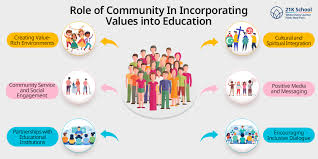
Beyond the home, the community provides informal opportunities for religious education. Neighborhoods, religious gatherings, youth groups, and community service activities offer spaces for experiential learning, mentorship, and social reinforcement of religious norms.
Ways Communities Enhance Religious Learning:
- Peer Learning and Mentorship: Interaction with peers and older community members allows for dialogue, questioning, and shared understanding.
- Service and Social Engagement: Participation in charitable activities instills the practical application of religious principles.
- Cultural and Religious Events: Festivals, ceremonies, and community prayers deepen cultural literacy and spiritual awareness.
Community-based learning emphasizes practice over theory, allowing individuals to see faith in action and connect personal beliefs to social responsibility.
Benefits of Informal Religious Education
Informal paths in religious education complement formal instruction and offer unique advantages:
- Flexibility: Learning adapts to personal pace and family traditions.
- Holistic Development: Focuses on moral, spiritual, and emotional growth.
- Stronger Personal Connection: Experiential learning creates meaningful and memorable experiences.
- Cultural Integration: Strengthens understanding of local customs and communal identity.
By combining home and community experiences, individuals develop a well-rounded understanding of religion that is both personal and socially aware.
Challenges and Considerations
While informal religious education is valuable, it faces challenges:
- Variability: Learning may differ widely depending on family or community practices.
- Limited Resources: Not all families or communities have access to religious mentors or activities.
- Potential for Misinterpretation: Without guidance, individuals may develop fragmented or biased understandings.
To address these challenges, families and communities can collaborate with formal institutions, creating a balanced and inclusive approach to religious education.
Conclusion
Religious education is not confined to classrooms or textbooks. The journey from home to community illustrates that faith and moral understanding often grow organically through everyday experiences, storytelling, participation in rituals, and social engagement. Recognizing and nurturing these informal paths ensures that religious education is lifelong, holistic, and deeply connected to personal and communal life.
Keywords for SEO: informal religious education, home-based learning, community religious activities, spiritual growth, experiential religious learning, family faith education, moral development in religion, religious storytelling, youth religious engagement
If you want, I can also optimize this article further for SEO with headings, meta description, and internal/external links, so it’s ready to rank on Google.
Do you want me to do that next?

Related Posts