Formal education plays a central role in shaping individuals, societies, and nations. It is the structured system of learning delivered through schools, colleges, and universities, designed to equip learners with knowledge, skills, values, and credentials needed for personal and professional growth. In today’s rapidly evolving world, formal education remains a cornerstone for intellectual development and lifelong success.
What Is Formal Education?
Formal education refers to an organized, systematic form of learning that follows a predefined curriculum and is delivered by trained educators in institutional settings. It typically includes primary, secondary, and higher education and is governed by educational authorities or governments.
Key characteristics of formal education include:
- A structured curriculum
- Standardized assessment and evaluation
- Recognized certifications and degrees
- Fixed timelines and progression levels
This system ensures consistency, quality control, and measurable learning outcomes.
Historical Evolution of Formal Education
The roots of formal education can be traced back to ancient civilizations such as Mesopotamia, Egypt, India, China, and Greece, where schools were established to teach writing, mathematics, philosophy, and governance. Over time, formal education evolved from elite-centered learning to a more inclusive system aimed at mass literacy and skill development.
The Industrial Revolution further expanded formal education by emphasizing standardized schooling to prepare individuals for skilled labor. Today, digital technologies and globalization continue to reshape formal education while preserving its foundational structure.
Role of Formal Education in Knowledge Development
Formal education provides learners with a strong intellectual foundation by:
- Teaching core subjects such as mathematics, science, language, and social studies
- Encouraging logical reasoning, critical thinking, and problem-solving
- Promoting academic discipline and structured learning habits
Through a carefully designed curriculum, students gain theoretical knowledge that helps them understand the world and apply concepts across various domains.
Skill Development Through Formal Education
Beyond academic knowledge, formal education is vital for developing essential skills required in modern society, including:
Cognitive and Analytical Skills
Students learn how to analyze information, evaluate evidence, and make informed decisions—skills crucial in both professional and personal contexts.
Communication Skills
Formal education enhances written, verbal, and interpersonal communication through presentations, group discussions, and academic writing.
Technical and Professional Skills
Higher education and vocational programs provide specialized training, preparing learners for specific careers in fields such as engineering, medicine, business, and technology.
Social and Emotional Skills
Classroom interactions foster teamwork, leadership, discipline, and respect for diversity, contributing to holistic personality development.
Importance of Formal Education in Society
Formal education benefits not only individuals but also society as a whole:
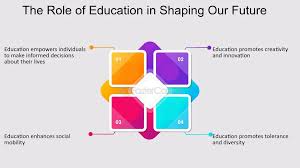
- Economic Growth: An educated workforce boosts productivity, innovation, and national development.
- Social Stability: Education promotes social awareness, ethical values, and responsible citizenship.
- Equal Opportunities: Access to formal education helps reduce inequality and empowers marginalized communities.
- Cultural Preservation: Schools and universities play a key role in preserving language, history, and cultural identity.
Formal Education vs. Informal and Non-Formal Education
While informal and non-formal education offer flexibility and practical experience, formal education stands out due to its structured approach and recognized qualifications. It provides a standardized benchmark for assessing knowledge and skills, which is often required for employment, higher studies, and professional advancement.
Rather than competing, these forms of education complement each other, creating a more comprehensive learning ecosystem.
Challenges in Formal Education
Despite its importance, formal education faces several challenges:
- Outdated curricula that may not align with current industry needs
- Limited access in underdeveloped regions
- Overemphasis on examinations rather than practical skills
Addressing these challenges requires curriculum reform, teacher training, and the integration of technology-enhanced learning.
The Future of Formal Education
The future of formal education lies in adaptability and innovation. Blended learning models, digital classrooms, personalized learning paths, and skill-based education are transforming traditional systems. However, the core mission remains unchanged: to build knowledge, develop skills, and nurture informed, capable individuals.
Conclusion
Formal education is the foundation upon which knowledge acquisition and skill development are built. It shapes minds, strengthens societies, and drives progress. While it continues to evolve in response to global changes, its role as a structured, reliable, and transformative system of learning remains indispensable. Investing in formal education is ultimately an investment in a smarter, more skilled, and more sustainable future.
If you want this article optimized further with keywords, meta description, or formatted for a blog or academic submission, just tell me 👍

Related Posts