Formal education has long been recognized as a cornerstone of human development. In an ever-evolving global economy, it serves not only as a means of acquiring knowledge but also as a powerful pathway to personal growth, career advancement, and lifelong success. From building critical thinking skills to opening doors to professional opportunities, formal education plays a vital role in shaping individuals and societies alike.
Understanding Formal Education
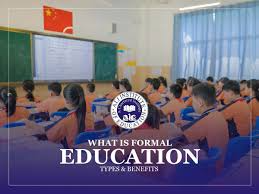
Formal education refers to the structured learning system provided by schools, colleges, universities, and other accredited institutions. It follows a standardized curriculum, includes assessments and certifications, and is guided by trained educators. Unlike informal learning, formal education provides recognized qualifications that are essential in today’s competitive job market.
Personal Growth Through Formal Education
1. Development of Critical Thinking and Problem-Solving Skills
One of the most significant benefits of formal education is its emphasis on analytical thinking. Students are encouraged to question assumptions, evaluate evidence, and solve complex problems. These skills enhance decision-making abilities and empower individuals to navigate real-world challenges with confidence.
2. Building Discipline and Time Management
Formal education instills discipline through structured schedules, deadlines, and academic responsibilities. Over time, learners develop effective time management habits, self-motivation, and perseverance—qualities that are essential for personal success in all areas of life.
3. Enhancing Communication and Social Skills
Classroom discussions, group projects, and presentations help students refine their communication skills. Formal education also exposes individuals to diverse perspectives, cultures, and ideas, fostering empathy, collaboration, and emotional intelligence.
4. Boosting Self-Confidence and Self-Awareness
Achieving academic milestones builds self-confidence and a sense of accomplishment. Education helps individuals understand their strengths, interests, and values, enabling informed choices about their personal and professional paths.
Professional Growth Enabled by Formal Education
1. Improved Career Opportunities
Formal education significantly increases employability. Degrees, diplomas, and certifications serve as credentials that validate expertise and skills. Many professions—such as medicine, engineering, law, and education—require formal qualifications as a prerequisite for entry.
2. Higher Earning Potential
Numerous studies show a strong correlation between education level and income. Individuals with higher educational qualifications often enjoy better salary prospects, job stability, and access to leadership roles.
3. Skill Development Aligned with Industry Needs
Modern educational institutions continuously update curricula to match evolving industry demands. Formal education equips learners with technical skills, digital literacy, and professional competencies that are directly applicable in the workplace.
4. Career Advancement and Lifelong Learning
Formal education does not end with a single degree. Professional courses, postgraduate programs, and executive education enable continuous upskilling, helping professionals adapt to technological advancements and changing career landscapes.
The Broader Impact of Formal Education
Beyond individual benefits, formal education contributes to societal growth. An educated population drives innovation, economic development, and social progress. It promotes informed citizenship, ethical leadership, and sustainable development, making it a key driver of national and global prosperity.
Challenges and the Need for Adaptation
While formal education offers immense benefits, it must continue to evolve. Integrating technology, promoting inclusive access, and emphasizing practical learning are essential to ensure education remains relevant in the digital age. Blending formal education with experiential learning and lifelong skill development can further enhance its impact.
Conclusion
Formal education is far more than a means to earn a degree—it is a transformative journey that fosters personal development and professional excellence. By cultivating critical skills, expanding career opportunities, and shaping well-rounded individuals, formal education remains a powerful pathway to long-term growth and success. In a rapidly changing world, investing in education is not just an option—it is a necessity for individuals and societies striving to thrive.
If you want, I can:
- Optimize this further for specific keywords
- Adjust it for academic, blog, or website tone
- Add meta description, FAQs, or internal linking ideas for SEO 🚀

Related Posts