In today’s fast-paced world, the gap between formal education and job-ready skills has become more pronounced. While traditional schooling emphasizes theoretical knowledge, the workforce demands practical expertise that can be applied immediately. This is where informal and vocational education play a pivotal role, bridging the gap between knowledge and actionable skills.
Understanding Informal and Vocational Education
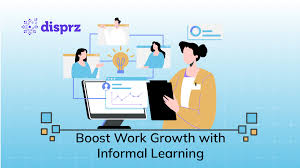
Informal education refers to learning that occurs outside formal academic settings. It includes self-directed learning, mentorships, online courses, workshops, and community-based programs. Unlike traditional education, informal learning is flexible, personalized, and often driven by curiosity or immediate needs.
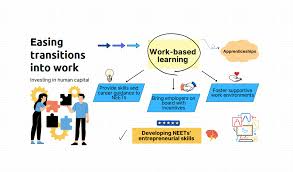
On the other hand, vocational education focuses on equipping learners with specialized skills for specific trades or professions. From plumbing and carpentry to digital marketing and healthcare, vocational training emphasizes hands-on experience, making learners job-ready in a shorter period compared to conventional degrees.
The Importance of Bridging Knowledge and Skills
The modern economy values not just knowledge, but the ability to apply it effectively. While formal education develops critical thinking and theoretical understanding, informal and vocational learning provides:
- Practical Experience – Learners gain direct exposure to real-world scenarios, improving confidence and competence.
- Adaptability – Rapid technological changes demand continuous upskilling, which informal learning facilitates.
- Career Readiness – Vocational programs focus on employable skills, shortening the transition from learning to earning.
- Inclusivity – These programs offer opportunities for individuals who may not have access to traditional education.
Popular Paths in Informal and Vocational Education
The spectrum of informal and vocational learning is broad, including:
- Online Courses & Tutorials – Platforms like Coursera, Udemy, and Khan Academy offer flexible learning for various skills.
- Apprenticeships & Internships – Hands-on experience under industry mentors is invaluable.
- Community Workshops – Local programs provide skill-building opportunities in trades, arts, and technology.
- Certification Programs – Short-term courses in areas like IT, healthcare, and construction validate expertise.
By combining these methods, learners can create a personalized pathway that aligns with career goals and market demand.
Challenges and Solutions
Despite its benefits, informal and vocational education faces challenges:
- Recognition – Informal learning often lacks formal accreditation, making it harder for employers to assess.
- Quality Assurance – The proliferation of online resources means variable quality in training content.
- Access – Not everyone has equal access to vocational programs or digital learning platforms.
Solutions include standardizing certifications, integrating informal learning with formal systems, and expanding digital infrastructure to reach underserved communities.
The Future of Learning
As industries evolve, the divide between knowledge and skills will continue to shrink. Lifelong learning, skill-based hiring, and hybrid educational models will dominate the future. Governments, institutions, and employers are recognizing that bridging theoretical knowledge with practical skills is essential for economic growth and individual success.
By embracing both informal and vocational education, learners can stay competitive, adaptable, and empowered in an ever-changing job market.
Conclusion
Informal and vocational education is no longer just an alternative; it is a necessity. It bridges the critical gap between knowledge and practical skills, ensuring that learners are prepared for real-world challenges. By supporting diverse learning pathways, society can cultivate a workforce that is both knowledgeable and capable—a true bridge between education and employability.
SEO Optimization Notes:
- Primary Keywords: informal education, vocational education, bridging knowledge and skills, skill-based learning
- Secondary Keywords: lifelong learning, hands-on experience, employable skills, career readiness
- Meta Description (SEO-friendly): Explore how informal and vocational education bridge the gap between knowledge and skills, preparing learners for real-world careers.
If you want, I can also create a punchy, SEO-optimized meta title and meta description along with subheading keywords to maximize Google ranking for this article.
Do you want me to do that next?

Related Posts