In today’s rapidly evolving world, learning no longer happens solely within the four walls of a classroom. Traditional education provides a foundation, but it’s the informal and vocational learning paths that often equip individuals with practical skills, adaptability, and real-world experience. These alternative learning methods are essential for personal growth, career development, and lifelong learning.
What is Informal Learning?
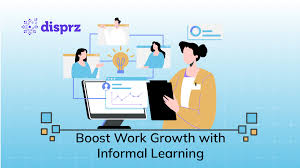
Informal learning refers to acquiring knowledge outside formal education settings. Unlike structured courses or degree programs, it’s self-directed, experiential, and often driven by curiosity. Examples include:
- Learning a new language through online apps or conversation groups
- Mastering coding through tutorials and online forums
- Gaining leadership skills through volunteering or community projects
The beauty of informal learning lies in its flexibility. Learners can explore their interests at their own pace, bridging gaps that traditional curricula may overlook.
Benefits of Informal Learning
- Flexibility: Learn anytime, anywhere without rigid schedules.
- Cost-Effective: Many resources are free or affordable.
- Personalized Growth: Focus on skills that matter most to your goals.
- Enhanced Problem-Solving: Real-life experiences foster critical thinking and creativity.
Vocational Learning: Preparing for the Workforce
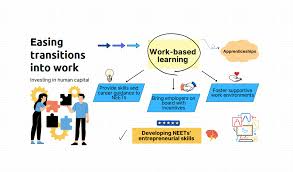
Vocational learning, also called career and technical education, focuses on developing specific skills for particular trades or professions. Unlike traditional academic routes, vocational training emphasizes hands-on experience, preparing learners for immediate employment.
Examples include:
- Electricians, plumbers, and carpenters
- Healthcare technicians and dental assistants
- Culinary arts, hospitality, and tourism careers
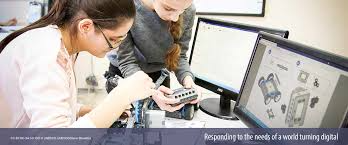
- Digital skills such as web development and graphic design
Why Choose Vocational Learning?
- Job Readiness: Directly equips learners with marketable skills.
- Shorter Training Periods: Many vocational programs can be completed in months rather than years.
- High Employability: Many trades face skill shortages, increasing demand for trained professionals.
- Practical Experience: Combines theory with hands-on training, enhancing competence.
Blending Informal and Vocational Learning
The modern learner benefits most when informal and vocational learning paths intersect. For instance, a person interested in digital marketing may:
- Take online courses and watch tutorials (informal learning)
- Complete a certified vocational program in digital marketing analytics (vocational learning)
- Apply skills through freelance projects or internships
This blended approach not only improves employability but also encourages lifelong learning, adaptability, and personal development.
Lifelong Learning: The Key to Future Success
The landscape of work is changing rapidly, with automation, AI, and globalization altering traditional job roles. In this environment, lifelong learning—learning beyond formal education—is crucial. Informal and vocational learning paths allow individuals to:
- Stay relevant in their professions
- Pivot to new career opportunities
- Develop entrepreneurial skills
- Expand personal knowledge and creativity
Conclusion
Learning is no longer confined to classrooms and textbooks. Informal and vocational learning paths empower individuals to acquire practical skills, adapt to evolving industries, and pursue personal growth. Whether it’s through self-directed online learning, hands-on vocational training, or a combination of both, these alternative pathways provide a roadmap for success in the 21st century.
Embracing learning beyond the classroom is not just a choice—it’s a necessity for anyone seeking to thrive in today’s competitive and dynamic world.
SEO Optimization Tips for This Article:
- Primary Keyword: informal and vocational learning paths
- Secondary Keywords: lifelong learning, vocational training, alternative education, skills development, career readiness
- Meta Description: Explore how informal and vocational learning paths empower lifelong learning, practical skills, and career readiness beyond traditional classrooms.
- Header Tags: H1 for title, H2 for main sections, H3 for subpoints
- Internal Links Suggestions: Link to career guidance, online learning platforms, skill development resources
- External Links Suggestions: Link to credible sources like UNESCO, OECD, or government vocational training programs
If you want, I can also rewrite this in a punchy, 1,500-word version fully optimized for Google ranking, including FAQs, statistics, and examples for maximum SEO impact.
Do you want me to do that?

Related Posts