
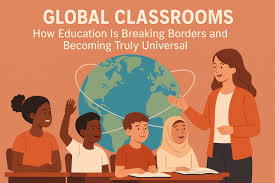
In the rapidly evolving landscape of the 21st century, traditional education alone can no longer meet the diverse needs of learners and the workforce. Informal and vocational education are emerging as critical pathways to lifelong learning, skill development, and career advancement. The concept of learning without borders underscores the idea that education is no longer confined to classrooms—it is accessible, flexible, and adaptable to every individual’s unique needs.
Understanding Informal Education
Informal education refers to learning that occurs outside formal institutions like schools and universities. This includes self-directed learning, online courses, workshops, community programs, mentorships, and experiential learning. Unlike formal education, informal learning is flexible, learner-driven, and often tailored to practical skills and real-life problem-solving.
Key Benefits of Informal Education
- Flexibility and Accessibility: Learners can access resources anytime, anywhere, making education more inclusive.
- Practical Skill Acquisition: Focuses on real-world applications rather than theoretical knowledge.
- Personalized Learning Paths: Learners can choose what to study based on interests, career goals, or immediate needs.
- Cost-Effective: Many informal learning opportunities, such as online tutorials or open-source resources, are free or affordable.
Popular examples of informal education today include online platforms like Coursera, Udemy, Khan Academy, YouTube tutorials, and local community workshops.
The Rise of Vocational Education
Vocational education equips learners with specific skills and competencies required for particular trades or professions. It is highly practical and career-oriented, providing pathways to employment in fields like healthcare, technology, manufacturing, construction, and creative industries.
Advantages of Vocational Education
- Job-Ready Skills: Emphasizes hands-on experience, reducing the skills gap in industries.
- Economic Empowerment: Enhances employability and income potential for individuals.
- Industry Alignment: Programs are often designed in partnership with employers, ensuring relevance to market demands.
- Lifelong Learning: Encourages continual skill upgrades as industries evolve.
With the global economy demanding specialized skills, vocational education is increasingly recognized as a critical complement to academic learning.
Learning Without Borders: Bridging the Gap
The modern era has blurred the lines between informal, vocational, and formal education. Learning without borders means education is no longer bound by geographical, institutional, or temporal limits. Digital technologies, e-learning platforms, mobile apps, and virtual classrooms have transformed access to knowledge and skills worldwide.
Strategies to Promote Learning Without Borders
- Integrate Technology: Leverage AI-driven platforms, mobile learning, and virtual simulations for effective skill acquisition.
- Foster Lifelong Learning Mindsets: Encourage curiosity, adaptability, and continuous improvement.
- Blend Learning Approaches: Combine formal, informal, and vocational training to create holistic learning experiences.
- Encourage Industry Partnerships: Collaborate with businesses to ensure skills taught meet real-world demands.
- Promote Inclusive Access: Address barriers such as cost, location, and digital literacy to reach underserved populations.
Conclusion
Informal and vocational education are redefining the modern learning landscape. By embracing a borderless approach to learning, individuals can acquire practical skills, stay competitive in the job market, and pursue lifelong personal and professional growth. In an era where knowledge is power and adaptability is key, learning without borders is not just a concept—it’s a necessity.
As education continues to evolve, those who embrace flexible, practical, and accessible learning pathways will be best equipped to thrive in a dynamic global economy.
SEO Keywords Integrated:
- Learning without borders
- Informal education
- Vocational education
- Lifelong learning
- Skills development
- Modern education
- Career advancement
- Online learning
- Practical skills
If you want, I can also create a catchy meta description and SEO-friendly headings optimized for Google snippets to make this article rank higher.
Do you want me to do that next?