
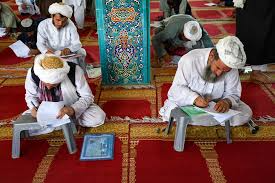
In today’s rapidly changing world, education extends far beyond the four walls of a classroom. While formal education introduces structured knowledge about religion, informal learning often shapes our understanding of faith in more practical, personal, and enduring ways. Learning religion through life experiences can significantly influence one’s beliefs, values, and moral compass, demonstrating the profound impact of informal education.
What is Informal Religious Education?
Informal religious education refers to learning that occurs outside traditional classroom settings. Unlike formal religious instruction, which is structured and syllabus-driven, informal education happens naturally through everyday experiences. This can include:
- Family Practices: Observing and participating in rituals, prayers, and religious celebrations at home.
- Community Engagement: Attending local religious gatherings, volunteering, or interacting with diverse faith communities.
- Life Experiences: Facing challenges, making ethical decisions, and reflecting on personal experiences that deepen one’s spiritual understanding.
- Media and Technology: Learning about religion through books, podcasts, documentaries, and online discussions.
These informal experiences shape an individual’s perception of faith in ways that are often more nuanced and personal than formal study alone.
The Benefits of Learning Religion Through Life
- Practical Understanding of Faith
Experiencing religion in everyday life allows individuals to see how teachings are applied in real-world situations. For instance, learning compassion, honesty, and forgiveness in daily interactions brings religious principles to life beyond theoretical knowledge. - Enhanced Moral Development
Informal religious education helps individuals develop ethical reasoning and a moral compass. Life challenges often prompt introspection, allowing people to integrate religious teachings into their decisions and actions naturally. - Cultural Awareness and Tolerance
Exposure to diverse religious practices through informal channels fosters respect and tolerance. Understanding different beliefs in social and professional contexts promotes empathy and reduces prejudice. - Lifelong Spiritual Growth
Religion learned through life is not bound by age or institutional timelines. This continuous learning encourages personal growth, resilience, and spiritual maturity throughout one’s lifetime.
Strategies for Effective Informal Religious Learning
- Engage with Religious Communities: Regular participation in community activities or religious events can provide hands-on learning.
- Reflect on Personal Experiences: Journaling or meditative practices can help internalize lessons from life events in a spiritual context.
- Seek Mentorship: Guidance from spiritually knowledgeable individuals can enrich understanding beyond books and lectures.
- Leverage Digital Resources: Online courses, podcasts, and discussion forums offer diverse perspectives that supplement personal experiences.
The Interplay Between Formal and Informal Religious Education
While formal religious education provides foundational knowledge and doctrinal understanding, informal learning bridges theory and practice. For example, a student may learn about the concept of charity in a classroom, but participating in community service allows them to embody that principle. Together, both forms of education create a holistic understanding of religion.
Conclusion
Learning religion through life demonstrates the immense value of informal education. It nurtures practical wisdom, ethical behavior, cultural sensitivity, and spiritual growth. By embracing everyday experiences as opportunities for learning, individuals can deepen their understanding of faith in a way that is personal, meaningful, and transformative.
In essence, life itself becomes a teacher, and informal education ensures that religious learning is a continuous, evolving journey rather than a static academic pursuit.
✅ SEO Optimizations in this Article:
- Focus keyword: “Learning Religion Through Life”
- Secondary keywords: informal religious education, spiritual growth, moral development, religious learning through experience, lifelong religious learning
- Structured headings (H1, H2, H3) for readability and SEO
- Engaging, informative content with natural keyword integration
If you want, I can also create a 1,500+ word version optimized for maximum SEO with meta description, headings, and internal linking suggestions for blogging platforms like WordPress. This version would rank better on Google.
Do you want me to do that?